Minecraft Enchanting Table: Recipe, Bookshelf Setup and Common Mistakes
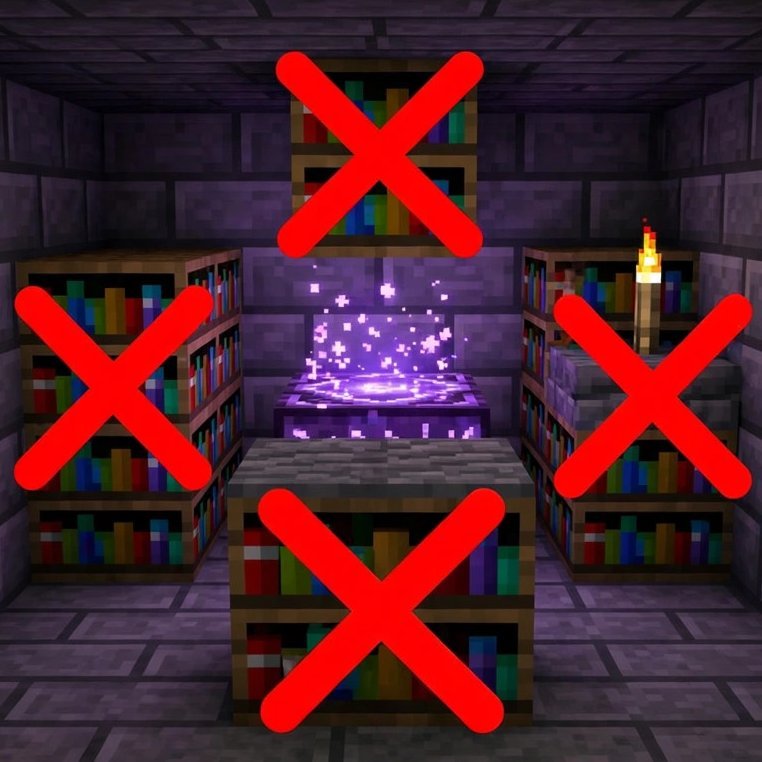
I built my minecraft enchanting table, surrounded it with what I thought were 15 bookshelves, and kept getting capped at level 21 no matter what I did. It took me a long time to realize one of my bookshelves had a torch sitting in the gap between it and the table, quietly cancelling its bonus. This guide covers the recipe, the bookshelf math that actually gets you to level 30, and the specific mistakes — including the one that got me — that keep people stuck below it.
What the Enchanting Table Actually Does
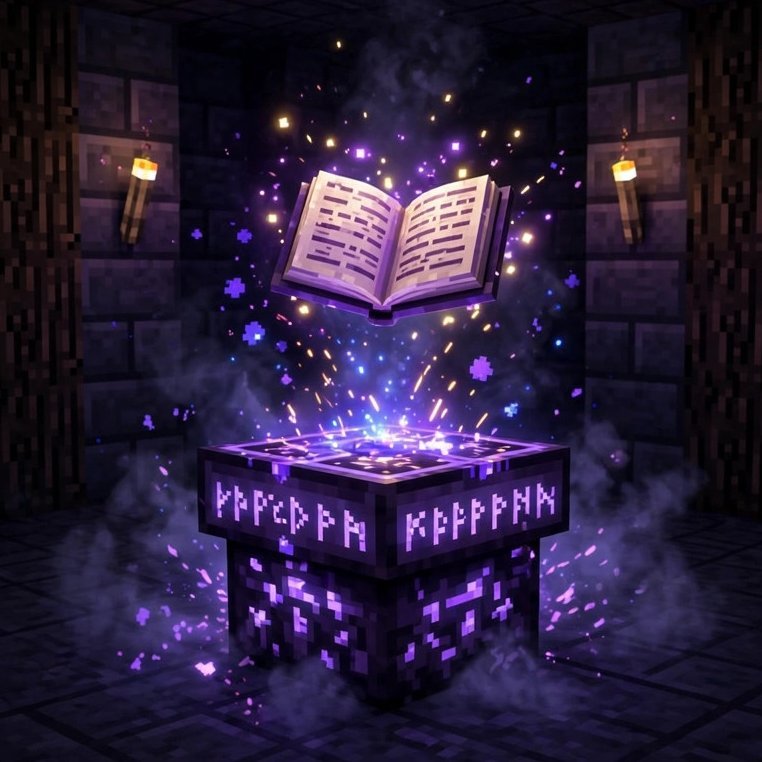
The minecraft enchanting table lets you spend experience levels and lapis lazuli to add enchantments to tools, weapons, armor, and books. On its own, with nothing around it, it only offers enchantments up to level 8 — a weak return for 2 diamonds and 4 obsidian. The bookshelves aren’t decoration; they’re the entire reason the minecraft enchanting table becomes useful at all.
The Correct Recipe
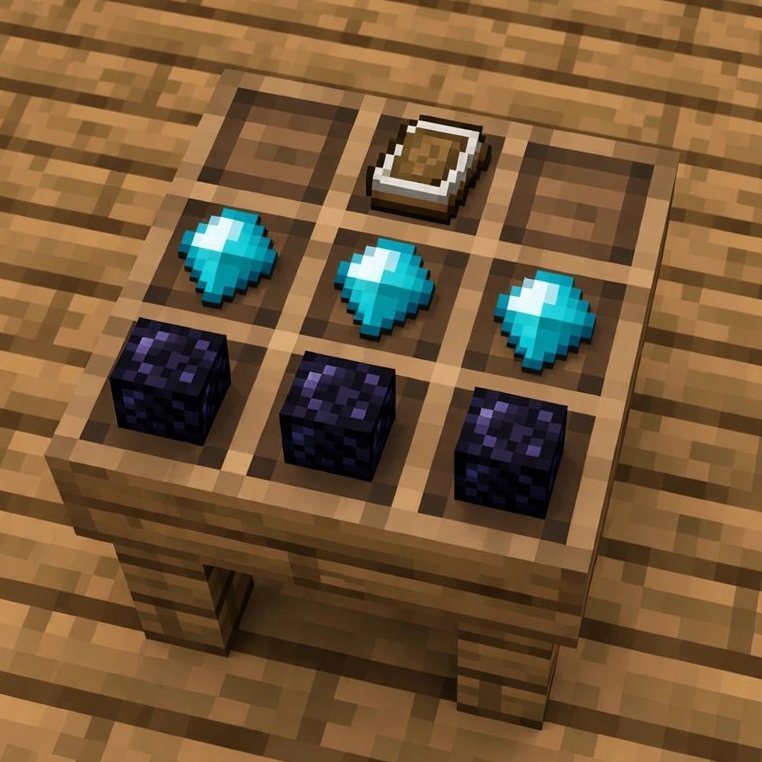
You need 2 diamonds, 4 obsidian, and 1 book. The layout matters — there’s no flexibility in it:
- Top row, center slot: 1 book
- Middle row: 1 diamond (left), 1 obsidian (center), 1 diamond (right)
- Bottom row: obsidian across all three slots
Mine obsidian with a diamond or netherite pickaxe.
No obsidian yet? Pour water over a lava source block to make more.
The Bookshelf Math for Level 30
Each bookshelf you place correctly adds to your maximum enchantment level. You need 15 of them to unlock the true cap of level 30. The placement rules are specific enough that eyeballing them is how people end up stuck at level 21 like I was.
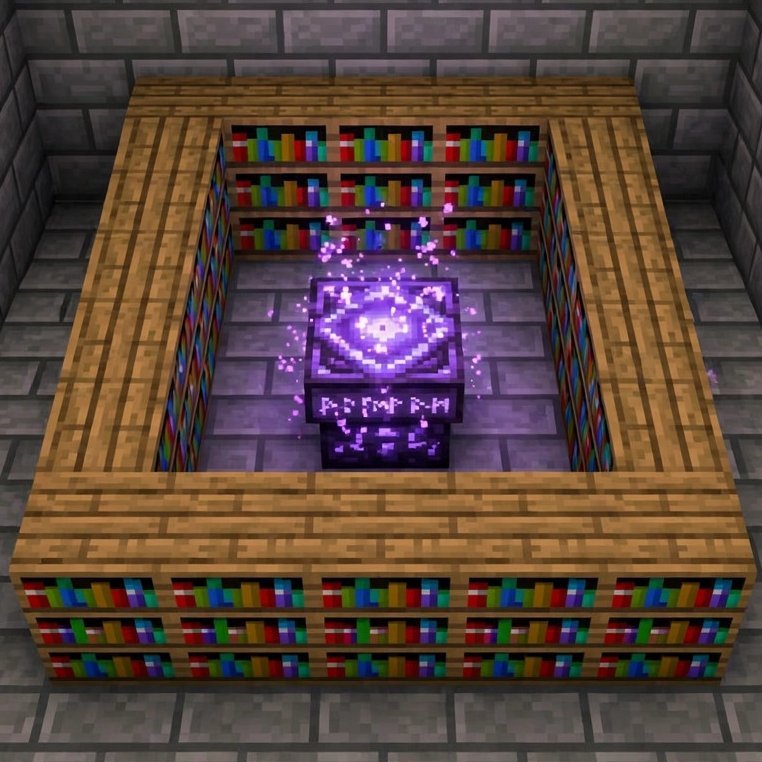
Bookshelves need to sit within one block of the minecraft enchanting table, with a one-block air gap in between. They can be on the same level as the table or one block higher.
A flat, single-layer ring around a 5×5 floor plan actually has room for all 15 with space to spare — the full perimeter gives you 16 positions, so no stacking is strictly necessary. Plenty of builds go two-tier anyway, since it feels like a proper library and less like standing in a moat, but the math doesn’t force it.
Nothing solid can occupy that air gap. This is the mistake I made. A torch, a slab, a carpet, or any other block sitting between the shelf and the minecraft enchanting table blocks that shelf’s bonus entirely. The table has no way of telling you which shelf stopped working — it just silently caps your max level lower than it should be.
Corners count as long as they’re within range, which is part of why a simple 5×5 ring with a one-block doorway gap is the layout most people land on.
If your minecraft enchanting table isn’t showing a level 30 option as the top choice and you’re confident you have 15 shelves down, the fix is almost always checking every single gap for something you didn’t notice. It’s rarely a shelf-count problem.
Using the Table
Right-click the table with the item you want to enchant in hand, or place it in the left slot of the interface. Add lapis lazuli to the slot beside it. You’ll get three enchantment options, each costing a number of experience levels and a bit of lapis.
The options change randomly if you move items in or out of the surrounding bookshelves — so if none of the three offers look good, try shifting a bookshelf and checking again. This resets your options entirely rather than rerolling in your favor specifically.
One detail that trips people up: you need to be at the experience level shown to select an option, not just have enough total XP stored up if you’ve been playing at a low level for a while. Level 30 enchantments specifically require you to be at level 30 or higher when you open the table — though the top offer itself typically only costs 3 levels and 3 lapis once you’re there.
What You Can Enchant
Weapons (swords, bows, crossbows, tridents, maces), armor pieces, tools (pickaxes, axes, shovels, hoes, fishing rods, shears), and books all work at the minecraft enchanting table.
Build toward enchanted books early rather than waiting until you have gear you care about. The table gives you three random offers rather than a specific enchantment you’re chasing, so enchanting a stack of books first and combining the good ones onto your actual gear at an anvil later gives you far more control than gambling directly on the item you care about.
Other Ways to Get Enchantments
The enchanting table isn’t the only source of enchantments, and it helps to know the alternatives exist even though this guide focuses on the table itself. Villagers with the librarian profession can trade specific enchanted books, which is often the fastest way to get one particular enchantment you’re chasing rather than rolling for it. Fishing with a rod can also occasionally produce enchanted gear or books as a rare catch, and enchanted items sometimes turn up in dungeon, stronghold, and other structure loot chests. None of these replace a bookshelf setup — they’re just good to know about if you want a specific enchantment sooner than random table offers are likely to give it to you.
Common Mistakes to Avoid
- Building the table before gathering enough obsidian for a real bookshelf room. Fifteen bookshelves alone need 45 books, which means 45 leather and 135 paper — a bigger material investment than most players expect going in.
- Leaving something in the bookshelf gap without realizing it. Covered above, and it bears repeating since it’s the single most common reason a “correct” setup underperforms.
- Enchanting on gear you care about instead of books first. You’ll burn through lapis and levels chasing a result when spreading that risk across cheaper books is almost always the smarter play.
- Forgetting that level 30 requires being at level 30, not having banked enough XP from an earlier point in the game.
Frequently Asked Questions
How many bookshelves do I need for level 30 enchantments? Exactly 15, placed with a one-block air gap between each shelf and the table, with nothing solid occupying that gap.
What is the exact recipe for an enchanting table? 2 diamonds, 4 obsidian, and 1 book — the book in the top-center slot, diamonds flanking a center obsidian in the middle row, and obsidian filling the entire bottom row.
Why is my enchanting table stuck below level 30 with 15 bookshelves? Almost always a blocked air gap. Check every bookshelf for a torch, carpet, slab, or other solid block sitting between it and the table.
Do I need two levels of bookshelves to fit all 15? No. A flat, single-layer 5×5 ring has room for up to 16 bookshelves — 15 fit with space left over. Two-tier setups are common by choice, not necessity.
Can I move an enchanting table without losing its bookshelf bonus? Yes. The bonus is tied to the current location, not stored in the table itself. You’ll need to rebuild the bookshelf setup wherever you place it next.
Should I enchant items directly, or use books first? Use books first. It saves lapis and levels, and gives you more control over the final enchantments — you can gather them over time and put the best ones onto the gear you actually care about at an anvil, rather than risking levels and lapis directly on that item.
Before you place a single bookshelf: build the 5×5 ring first with temporary blocks, walk the full perimeter checking every gap for a stray torch or slab, and only then swap in real bookshelves. That order alone would have saved me the guesswork that kept me stuck at level 21 for longer than it should have.

5 Comments